



Moving beyond off-the-shelf solutions requires a precision-driven approach. When commissioning a custom motor from Torgatek, providing the correct dataset is the difference between a high-efficiency propulsion system and a thermal failure.
1. The Electrical Core: Performance Constants
The internal "soul" of the motor is defined by its electrical constants. To match your Electronic Speed Controller (ESC) and battery voltage, we require:
KV Rating (RPM/V): This determines the motor's RPM per volt of input. For heavy-lift 10kg platforms, a lower KV with higher voltage (e.g., 12S-14S) is typically preferred to reduce current heat.
Voltage Range (S): Will the system operate on 6S (22.2V) or industrial 12S/14S? This dictates the insulation requirements for the copper windings.
Max Continuous Current (A): The maximum amperage the motor must handle for 60+ seconds without the stator reaching its Curie temperature or melting insulation.
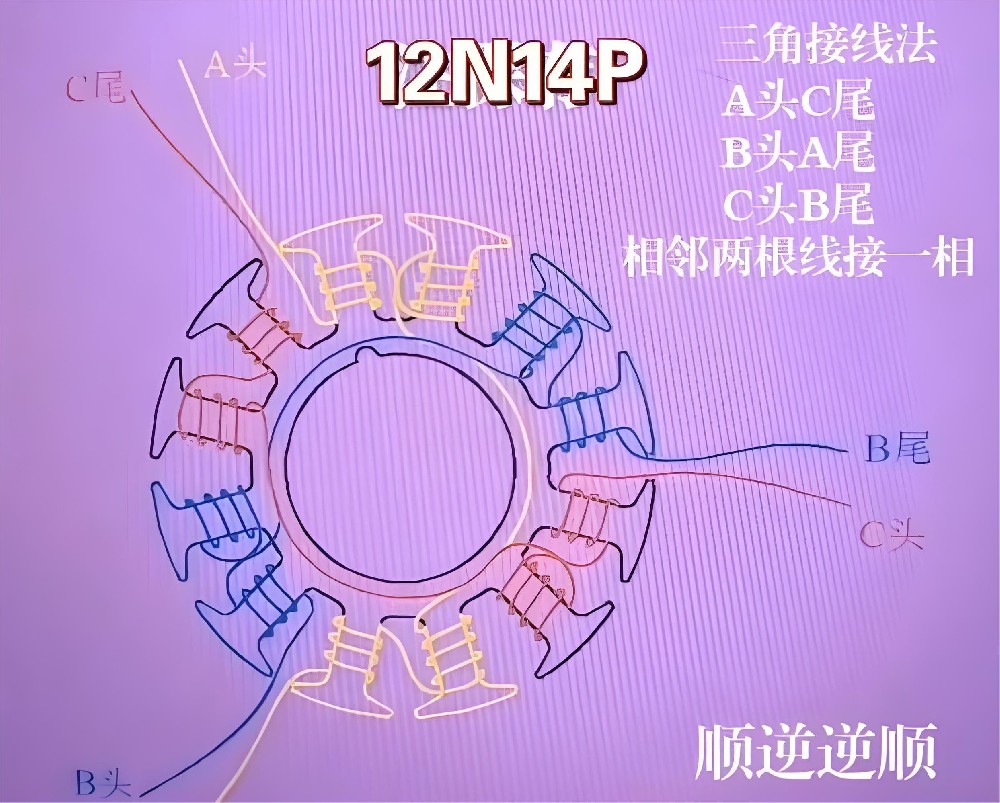
Figure 1: Internal architecture - Winding density affects both KV and thermal capacity.
2. Mechanical Constraints & Form Factor
Customization often stems from airframe limitations. Torgatek engineers utilize these dimensions to balance weight against torque density:
| Parameter | Why it Matters |
|---|---|
| Stator Size (e.g., 8110) | Determines the physical volume of copper and steel for torque production. |
| Mounting Pattern | Ensures compatibility with industrial carbon fiber motor mounts. |
| Shaft Diameter & Length | Critical for direct-drive propeller mounting and bearing longevity. |
3. Environmental & Load Profiles
A motor designed for a clean-room drone is not a motor designed for agricultural spraying. We need to define the Duty Cycle:
Ingress Protection (IP Rating): Does the motor need an IP54 or IP67 rating for dust and water resistance? Torgatek specializes in sealed outrunner designs for harsh environments.
Propeller Load Data: Provide the diameter and pitch of your intended propeller. This allows us to simulate the "Thrust-to-Power" curve and ensure the motor operates at its Golden Efficiency Point.
Operating Temperature: Will the UAV operate in high-altitude cold or tropical heat? This influences the selection of high-temperature Neodymium magnets (e.g., 150°C SH grade).
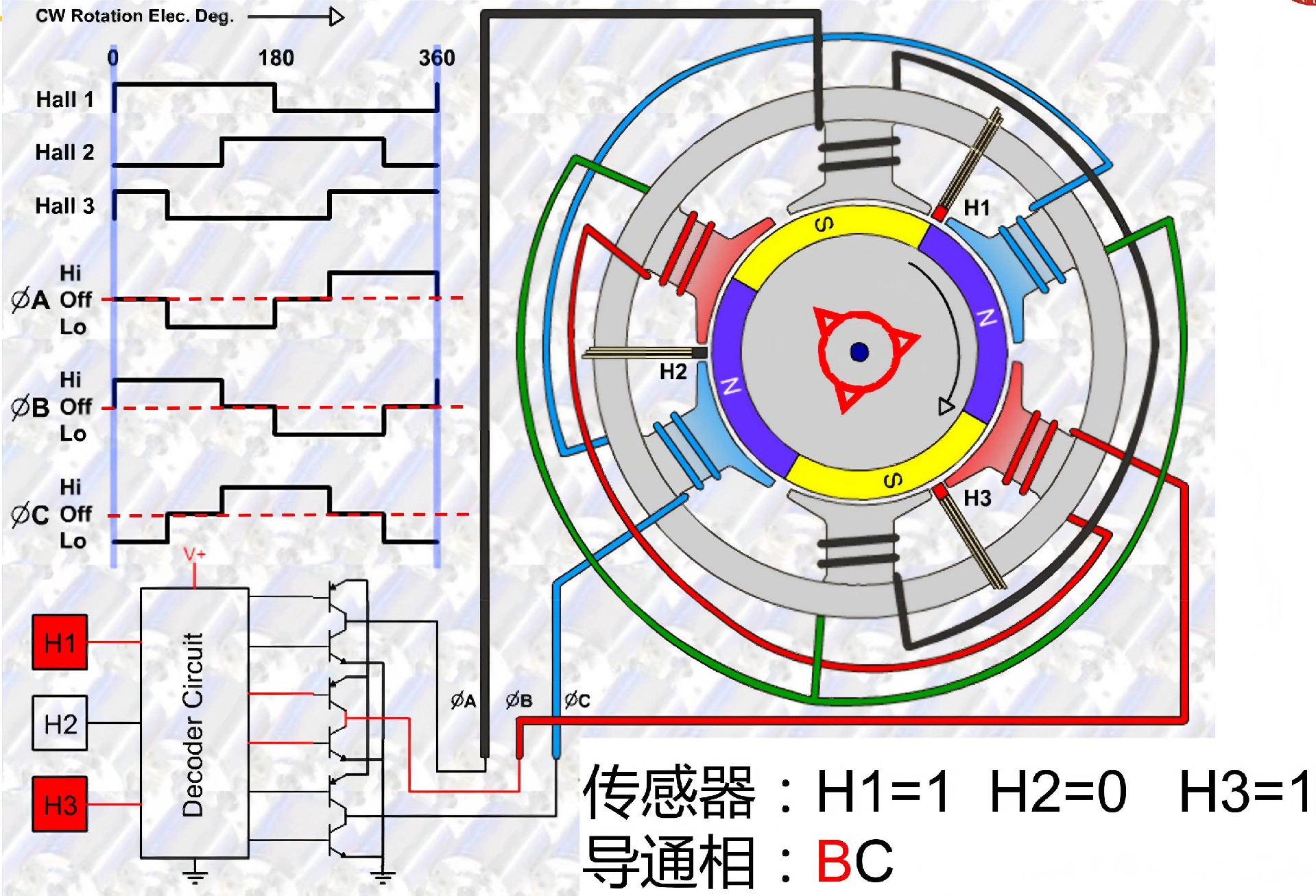
Figure 2: Component breakdown - Specialized coatings and seals for industrial durability.
The Torgatek Customization Workflow
At Torgatek, we don't just build motors; we engineer propulsion ecosystems. By providing these parameters, you enable our team to perform finite element analysis (FEA) to optimize the magnetic circuit of your custom stator. This results in a motor that runs cooler, responds faster, and lasts longer under industrial stress.
